


An IP address, the “street address” of the online world, is crucial for website hosting services and online marketing. Among the many decisions users face, choosing between a Dedicated IP and a Shared IP is often a key consideration.
This article explores their definitions, differences, advantages, disadvantages, and best use cases in depth, providing practical guidance for users with different needs and helping you make an informed decision.
What Is a Dedicated IP?
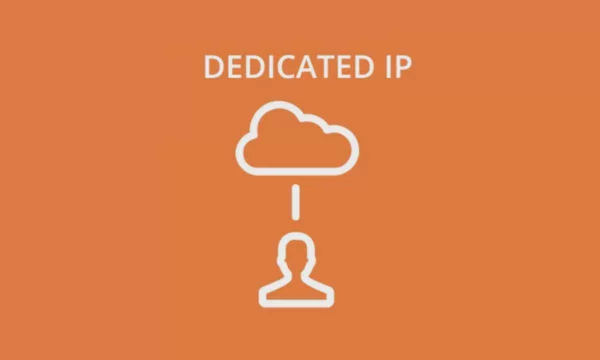
A Dedicated IP is an independent IP address designed for a single entity (such as an individual, company, or server). It guarantees the address’s uniqueness and is not shared with other users.
The uniqueness of this IP address makes it similar to a permanent “home” on the internet. It ensures that the domain does not share the same IP with others, guaranteeing the website’s independent positioning and exclusive communication channel.
The independence of a Dedicated IP provides enhanced network control, enabling businesses to manage their external network access more precisely—for example, by setting up an IP whitelist to improve security and reduce the risk of vulnerabilities.
How does a dedicated IP work?
A dedicated IP address provides a website or server with an independent network location. Once a dedicated IP is assigned to a website, all data requests to that website are routed directly to this specific IP address. This one-to-one routing improves the efficiency and stability of data transmission.
In terms of configuration, the web hosting provider assigns the user a unique IP address from its pool of IP resources. Once assigned, this IP address is directly associated with the user's hosting account or server. This independence makes a dedicated IP ideal for installing an SSL certificate and ensuring the website's encrypted connections and data security.
Users can manage their dedicated IP through the control panel provided by the hosting service, such as setting DNS records or adjusting server settings. Moreover, because the IP address is not shared with other users or services, users can configure firewall rules and implement security policies more conveniently.
What is a shared IP?

A shared IP (Shared IP) is the same IP address used simultaneously by multiple users or websites. This sharing model provides a cost-effective solution for users of shared hosting services, particularly meeting the needs of websites with limited budgets or low traffic volumes.
With shared IP services, users can enjoy web hosting without incurring high server costs, making this option highly attractive to many personal website owners and small businesses.
How does a shared IP work?
A shared IP allows multiple websites to use the same IP address. This approach is very common in shared hosting services because it effectively reduces maintenance costs. The server hosts all the websites, but all network requests enter through the same IP address.
After receiving a network request, the server determines which specific website to direct the traffic to based on the domain name in the request.
For websites using a shared IP, server resources such as processing power, storage, and bandwidth are shared. This means that if a website experiences a traffic spike or comes under attack, it may affect the performance of other websites on the same IP.
Key Differences Between Dedicated IPs and Shared IPs
The most significant difference between a dedicated IP and a shared IP is that a dedicated IP is provided exclusively to one user, while a shared IP can be used by multiple users simultaneously.
Here is a comparison of them in different aspects:
Security:
-
Dedicated IP: As a private space on the network, a dedicated IP is exclusively used by a single user, reducing the risk of cyberattacks. Users can customize security measures according to their specific needs.
Shared IP: A shared IP is like a busy apartment building, where one user's improper behavior can drag down the reputation of the entire IP. This collective risk means that a security vulnerability affecting any user may cause the shared IP address to be flagged or blocked by network services.
Stability:
-
Dedicated IP: Ensures service continuity, protecting the website from sudden traffic surges or technical issues caused by other users. Websites using a dedicated IP typically experience more consistent access speeds and faster response times.
-
Shared IP: Site reliability may become unstable due to the activities of other users sharing your IP, especially during peak traffic periods or when facing network attacks.
Email services:
-
Dedicated IP: Improves the effectiveness of email marketing because you alone maintain the IP address's reputation, thereby increasing email deliverability.
-
Shared IP: The reliability of email services may be compromised by improper behavior from other users sharing the IP, which may cause the entire IP address to be flagged as a source of spam.
SEO optimization:
-
Dedicated IP: In theory, having a dedicated IP can improve your website’s credibility with search engines, because search engines directly associate the IP address with your website’s content.
-
Shared IP: Although search engine algorithms can now distinguish between different websites on the same IP, any negative SEO activity on a shared IP address may still affect the search rankings of all websites hosted on it.
Speed:
-
Dedicated IP: Because it does not share bandwidth with others, a dedicated IP provides fast connection speeds and stable service, making website performance more reliable.
-
Shared IP: The performance of a shared IP may fluctuate due to the behavior of other users sharing its resources, especially when traffic to other websites surges.
Price:
-
Dedicated IP: Prices are generally higher because all maintenance costs are borne by a single user.
-
Shared IP: More cost-effective, with the costs distributed among multiple users.
Which type of IP should you use?
Based on the comparison above, it may seem that using a dedicated IP is the better choice. Who wouldn’t want complete control over their online reputation?
However, don’t rush to a conclusion. Choosing which type of IP to use is not a simple decision.
The best choice for you depends on your budget and specific usage needs. Below, let’s look at the advantages and disadvantages of dedicated and shared IPs, as well as the scenarios in which each is suitable.
Advantages of a Dedicated IP
1. Remote Access
A dedicated IP address supports seamless remote access, improving work efficiency. Employees can manage the website from anywhere without being restricted by a shared hosting environment. You can also specify in detail which IP addresses are allowed to access your website, preventing employees from being blocked from accessing it.
2. Performance
A dedicated IP can provide your website with a stable and fast access experience. Since your website does not share an IP address with other websites, it will not be affected by high traffic on other websites, ensuring that users enjoy smoother and faster service.
3. Security
By binding an SSL certificate, a dedicated IP can not only strengthen the website's credibility but also protect user data security. This is especially important when handling sensitive online transactions, as the SSL certificate ensures data encryption and secure transmission.
4. Email Deliverability
For businesses that rely on email marketing, a dedicated IP address can significantly improve email deliverability. Emails sent from a dedicated IP are more likely to be favored by email service providers than those sent from a shared IP, reducing the risk of being classified as spam and ensuring that your messages reach the target customers' inboxes accurately.
Advantages of a Shared IP
1. Cost-effectiveness
A shared IP address provides a practical and cost-effective solution for small businesses or individual entrepreneurs who do not expect to have substantial web traffic in the near term.
For example, your personal website may only showcase your portfolio, qualifications, or a series of blog posts. In this case, choosing a shared IP is sufficient to meet your needs while helping reduce the financial burden during the startup phase. As your business grows, if your online store begins to attract more traffic, upgrading to a dedicated IP will become a key step toward improving website performance and optimizing the user experience.
2. Leveraging Email Reputation
If you are a smaller or newer sender, sharing an IP with reputable senders allows you to benefit from the reputation they have already established.
Disadvantages of a Dedicated IP
1. Higher Cost
One of the main issues you need to be prepared to face when choosing a dedicated IP address is cost. These fees vary depending on the hosting provider you choose, with prices ranging from a few dollars to several hundred dollars per month.
2. Management Complexity
Having a dedicated IP may mean that you need more network management knowledge. For example, you may need to configure DNS records and address related network security issues.
Disadvantages of Shared IPs
1. Speed Issues
When using a shared IP, you may find that access speeds are not as fast as those of a dedicated IP. This may affect the experience of users who want to browse your website quickly.
2. Security Issues
Another limitation of shared IPs is that they do not support the addition of SSL certificates, which means you cannot always guarantee secure access to your website.
3. Reputation Risks
Although shared IPs are reliable in most cases, if other users use the IP for malicious activities, your website's IP may be blocked because of those users. If your shared IP is suspected of being involved in suspicious activities, the hosting provider may prevent people from accessing your website.
Even if your own online behavior is entirely compliant, your website may still be treated unfairly if other users sharing the same IP address engage in improper activities. This is an unfortunate reality of the shared IP mechanism, and it is precisely why many businesses prefer to use dedicated IPs.
Use Cases for Dedicated and Shared IPs
We have now covered the basic principles for choosing an IP address. It is time to determine which option best suits you based on your actual circumstances.
Use a dedicated IP if:
-
You need to send large volumes of email on a regular basis.
-
The behavior of other users on the shared IP is negatively affecting the overall reputation of that IP.
-
Your business is performing well, your budget is sufficient, and you want greater control and better reputation protection.
Use a shared IP if:
-
Your email volume is relatively low and building a reputation takes time. In this case, a shared IP can help you establish a solid email-sending history alongside other domains.
-
If you share an address with other reputable shared IP users, this will help you build a positive image during the initial stage.
-
Businesses with tight budgets or those in the early stages of operation.
Conclusion
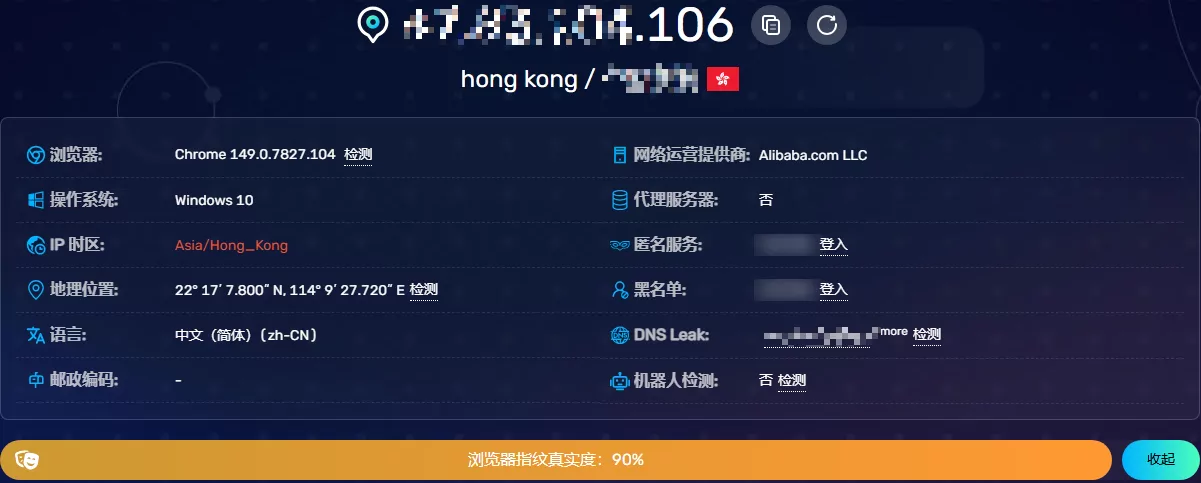
In addition to choosing the right type of IP, network privacy and security should not be overlooked. Whether for personal privacy or business data protection, effectively hiding your digital fingerprint is essential. Using a VPN or proxy server to hide your real IP address is an ideal way to protect your online identity.
Additionally, P1Browser can help you check whether your digital fingerprint has been properly masked and strengthen your privacy protection measures.