


An IP address, the “street address” of the online world, is crucial for website hosting services and online marketing. Among the many decisions to make, choosing between a Dedicated IP and a Shared IP often becomes a question faced by many users.
This article will explore the definitions, differences, advantages and disadvantages, and best use cases of both in depth, providing practical guidance for users with different needs and helping you make an informed decision.
What Is a Dedicated IP?
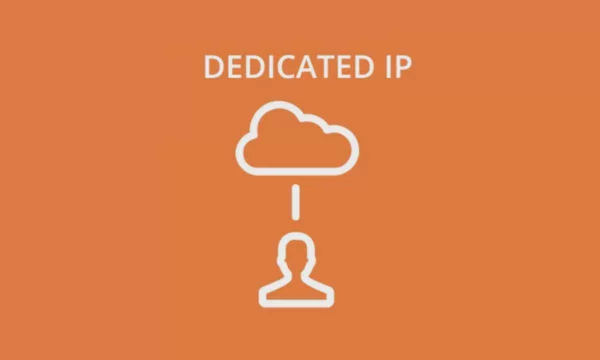
A dedicated IP is an independent IP address designed for a single entity.
A Dedicated IP (Dedicated IP) is an independent IP address designed for a single entity, such as an individual, company, or server. It guarantees the uniqueness of the address, which is not shared with other users.
The uniqueness of this IP address makes it similar to a fixed “home” on the internet, ensuring that the domain name does not share the same IP with others and safeguarding the website’s independent positioning and exclusive communication channel.
The independence of a dedicated IP provides more comprehensive network control, enabling businesses to manage external network connections more precisely—for example, by setting up an IP whitelist to enhance security and reduce vulnerability risks.
How Does a Dedicated IP Work?
A dedicated IP address provides a website or server with an independent network location. Once a dedicated IP is assigned to a website, all data requests sent to that website are routed directly to this specific IP address. This one-to-one routing model improves the efficiency and stability of data transmission.
For configuration, the web hosting provider assigns a unique IP address from its own IP resource pool to the user. Once assigned, this IP is directly bound to the user’s hosting account or the server it belongs to. This independence makes a dedicated IP ideal for installing an SSL certificate, ensuring encrypted website connections and data security.
Users can manage their dedicated IP through the control panel provided by the hosting service, such as setting DNS records or adjusting server parameters. Since the IP is not shared with other users or services, users can configure firewall rules and implement various security policies more flexibly.
What Is a Shared IP?

A shared IP is a single IP address used simultaneously by multiple users or websites.
A shared IP (Shared IP) is a single IP address used simultaneously by multiple users or websites. This shared model provides a cost-effective solution for shared hosting users and is particularly suitable for websites with limited budgets or low visitor traffic.
With a shared IP service, users can enjoy website hosting without bearing the high cost of a dedicated server, making it highly attractive to many personal website operators and small businesses.
How Do Shared IPs Work?
A shared IP allows multiple websites to share the same IP address. This model is commonly used in virtual hosting services and can effectively reduce operating and maintenance costs. The server hosts all websites simultaneously, and all network requests enter through the same set of IP addresses.
After receiving a network request, the server directs the traffic to the corresponding website based on the domain name included in the request.
Websites using a shared IP share server resources such as processing power, storage space, and bandwidth. In other words, if one website experiences a traffic surge or comes under a cyberattack, it may affect the performance of other websites using the same IP.
Key Differences Between Dedicated IPs and Shared IPs
The most obvious difference between a dedicated IP and a shared IP is that a dedicated IP is assigned exclusively to one user, whereas a shared IP can be used by multiple users simultaneously.
The differences between the two are compared below from various perspectives:
Security
Dedicated IP: Like a private, independent space on the internet, it is used exclusively by a single user, reducing the risk of cyberattacks. Users can customize various security measures according to their needs.
Shared IP: Much like a crowded apartment building, inappropriate behavior by one user can damage the reputation of the entire IP group. This shared-risk characteristic means that a security vulnerability affecting any user could cause the entire IP group to be flagged or blocked by network service providers.
Stability
Dedicated IP: Maintains consistent service stability, so websites are not affected by sudden traffic surges or technical failures experienced by other users. Websites using a dedicated IP can generally maintain consistent visit speeds and faster response times.
Shared IP: Website reliability may fluctuate with the behavior of other users on the same IP, with the impact being more noticeable during traffic spikes or network attacks.
Email Services
Dedicated IP: Improves the effectiveness of email marketing. You maintain the IP reputation entirely on your own, thereby increasing email deliverability.
Shared IP: The stability of email services may be compromised by improper actions of other users sharing the IP. In severe cases, the entire group of IPs may be flagged as a source of spam.
SEO Optimization
Dedicated IP: In theory, having a dedicated IP can improve your website’s reputation with search engines because search engines directly associate the IP with your website content.
Shared IP: Although search engine algorithms can now distinguish between different websites under the same IP, any negative SEO practices on a shared IP may still affect the search rankings of all websites associated with that IP.
Connection Speed
Dedicated IP: Without having to share bandwidth with others, it provides fast connections and stable service, making website performance more reliable.
Shared IP: The performance of a shared IP may fluctuate depending on how other users utilize resources, with more noticeable variations when traffic to other websites surges.
Pricing
Dedicated IP: Fees are typically higher, with all operating and maintenance costs borne by a single user.
Shared IP: More cost-effective, with the cost shared among multiple users.
Which type of IP should you use?
Based on the comparison above, a dedicated IP may seem like the better choice at first glance. Who wouldn’t want complete control over their own network reputation?
However, don’t jump to conclusions—the right IP choice is not simply a matter of choosing between two options.
The best option for you depends on your budget and actual usage needs. Next, we’ll explain the respective advantages, disadvantages, and suitable use cases of dedicated and shared IPs.
Advantages of a Dedicated IP
-
Remote AccessA dedicated IP supports smooth remote management and improves work efficiency. Employees can maintain the website anytime and anywhere without being restricted by a shared hosting environment. You can also precisely configure the list of IPs allowed to access the website, preventing employees from being blocked from accessing it.
-
PerformanceA dedicated IP provides a stable, fast browsing experience for your website. Because it is not shared with other websites, it will not be affected by traffic spikes on other websites, ensuring that users enjoy smooth and fast service.
-
Security ProtectionUsing a dedicated IP together with an SSL certificate not only enhances trust in your website but also protects user data. This is especially important when handling sensitive operations such as online transactions: an SSL certificate ensures that data is transmitted in encrypted form and prevents data leaks.
-
Email DeliverabilityFor businesses that rely on email marketing, a dedicated IP can significantly improve email deliverability. Emails sent through a dedicated IP are more likely to earn the trust of email service providers than those sent through a shared IP, reducing the likelihood of being classified as spam and ensuring that messages reach the intended customers’ inboxes accurately.
Advantages of a Shared IP
- Cost-Effective
A shared IP is an affordable and practical solution for small businesses and individual entrepreneurs that do not expect high traffic volumes in the short term.
For example, if your personal website is only used to showcase a portfolio, certificates, or blog posts, a shared IP can meet your needs while reducing the financial burden during the early stages of entrepreneurship. As your business grows and visits to your online store increase, upgrading to a dedicated IP can further improve website performance and optimize the user experience.
- Sharing Existing Email Reputation
If you are a small-scale or new sender, sharing an IP with reputable senders allows you to benefit from the positive reputation they have built over time.
Disadvantages of a Dedicated IP
-
Higher CostThe primary issue with choosing a dedicated IP is cost. Fees vary depending on the hosting service provider, ranging from a few dollars to several hundred dollars per month.
-
More Difficult to ManageHaving a dedicated IP means you need to have more knowledge of network management, such as setting up DNS records yourself and handling related cybersecurity issues.
Disadvantages of Shared IPs
-
Connection Speed LimitationsWebsites using a shared IP generally load more slowly than those using a dedicated IP, which may affect the user browsing experience.
-
Cybersecurity LimitationsShared IPs generally do not support the additional installation of SSL certificates, making it difficult to continuously ensure the security of encrypted website access.
-
Reputational Risks from Other UsersIn most cases, shared IPs operate reliably. However, if other users on the same IP engage in malicious activities, the entire IP may be penalized or even blocked from accessing websites.
Even if all of your own online activities comply with the relevant regulations, your website may still be affected through no fault of your own if other users on the same IP engage in violations. This is an unavoidable drawback of the shared IP model and the primary reason why most businesses tend to switch to dedicated IPs.
Use Cases for Dedicated IPs and Shared IPs
After understanding the principles for choosing an IP type, select the most suitable option based on your specific circumstances.
Situations Suitable for Using a Dedicated IP
- You need to send large volumes of marketing emails regularly.
- The behavior of other users sharing the same IP has seriously damaged the overall IP reputation.
- The business is operating steadily, has a sufficient budget, and seeks complete control and reputation protection.
Situations Suitable for Using a Shared IP
- You send a small volume of emails and are still building your sending reputation. A shared IP can help establish a positive sending record together with multiple domains.
- When several users with good reputations share the same IP, they can help a new website build a positive reputation in its early stages.
- Businesses with limited budgets that are in the early stages of starting up.
Conclusion
In addition to choosing the right type of IP, online privacy and security should not be overlooked. Whether protecting personal privacy or corporate secrets, properly concealing your digital fingerprint is essential. Hiding your real IP through a VPN or proxy server is an ideal way to protect your online identity.
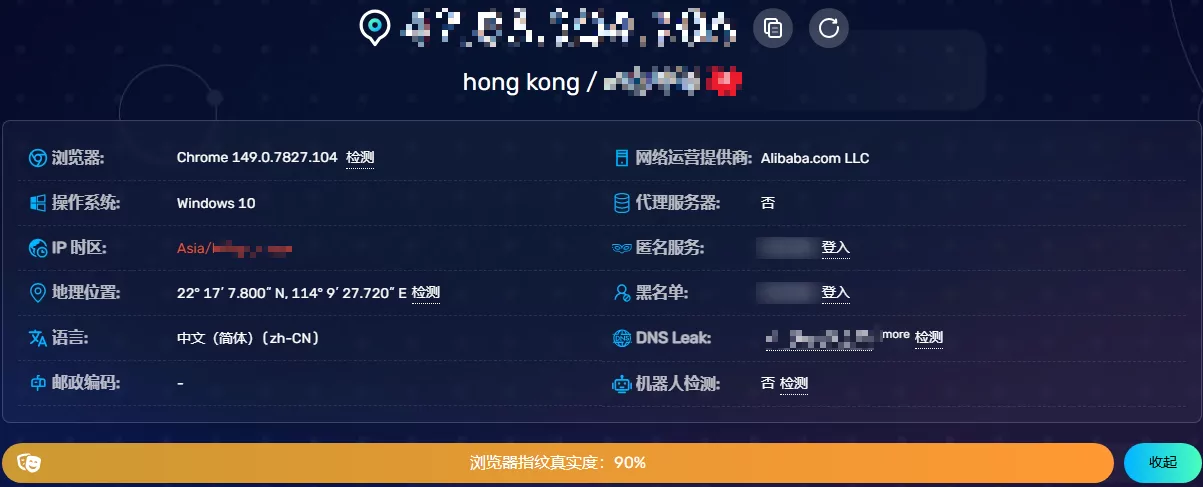
In addition, P1Browser can help check whether your digital fingerprint is fully concealed and assist in strengthening various privacy protection measures.