


In today's data-driven world, web scraping has become an indispensable tool, enabling businesses and individuals to extract meaningful information from vast online resources.
From collecting competitors' prices and product details from e-commerce platforms to gathering data for analysis as a researcher, web scraping has diverse and far-reaching applications.
What Is Web Scraping?
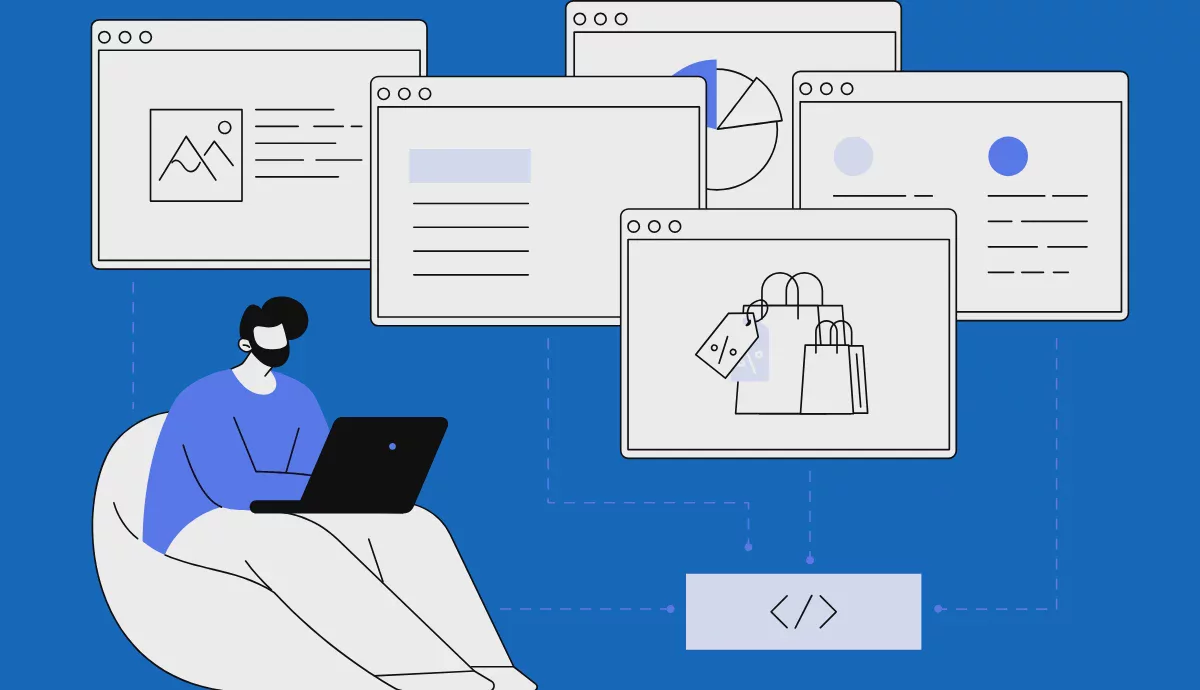
Web scraping is the process of automatically extracting large amounts of data from websites. It involves retrieving web pages and extracting specific information from them, then storing that information in a structured format such as an electronic spreadsheet or database.
Web scraping uses scraping tools or bots to browse the web, simulating human browsing behavior. These bots can parse HTML content, identify relevant data points, and store the information for further analysis. By automating the data collection process, web scraping significantly reduces the time and effort required compared with manual data entry.
Is Web Scraping Legal?
Although web scraping is a valuable tool, its legality is a complex issue that usually depends on multiple factors:
- Terms of Service : Many websites' Terms of Service explicitly prohibit web scraping, and violating these terms may lead to legal action.
- Public Data and Private Data : Scraping publicly available data is generally considered legal, but scraping private data or data that requires payment to access may lead to legal disputes.
- Data Ownership : Scraping user-generated content from community media platforms may infringe on the rights of content creators.
- Anti-Circumvention Laws : The laws of some jurisdictions prohibit bypassing technological barriers designed to prevent data extraction, which may make web scraping illegal in certain circumstances.
How Do Web Scraping Tools Work?
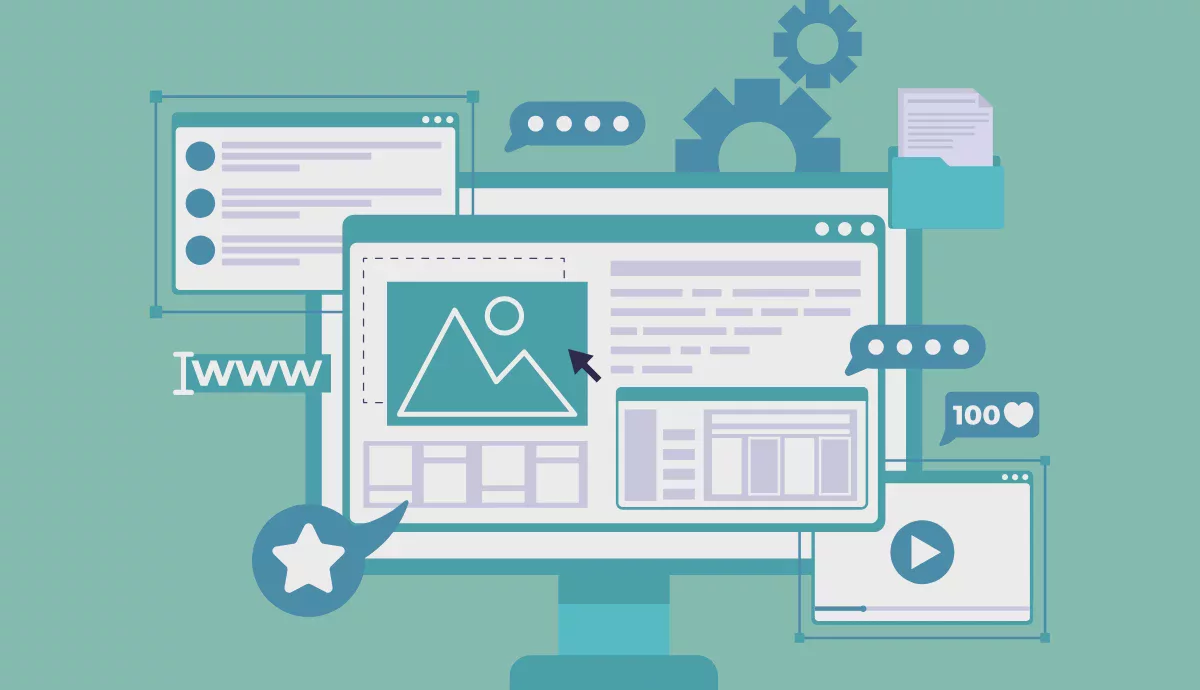
Web scraping tools operate by automatically extracting data from websites, enabling users to collect information efficiently.
First, the scraping tool receives the URL and loads all the HTML code from the website. Next, the scraping tool parses the document and identifies specific elements containing the required data, such as text, images, or links.
The scraping tool then extracts the relevant information. After extraction, this information is typically stored in a structured format, such as CSV or JSON, for convenient analysis and use. Some advanced scraping tools can also handle dynamic content and pagination, ensuring that all necessary data can be captured even from multi-page websites.
Types of web scraping tools
Static scraping tools
These tools are designed specifically to extract data from static web pages, where the content does not change unless the page is refreshed. They are generally less difficult to implement and use basic HTML parsing techniques.
Dynamic scraping tools
These tools can handle dynamic websites that load content using JavaScript. They can simulate user interactions and extract data from elements that cannot be directly seen in the HTML source code.
API scraping tools
Some websites provide APIs (application programming interfaces), through which developers can access data in a structured format. API scraping tools retrieve data through these interfaces, making data extraction more efficient and compliant with website standards.
Headless browsers
Headless browsers do not have a graphical user interface and can be used to automate web scraping tasks. They can render JavaScript and interact with web pages like regular browsers, making them suitable for complex scraping scenarios.
Custom scraping programs
Developers can build dedicated scraping tools according to their needs, customize them for specific websites or data types, and integrate advanced functions such as data cleaning and format conversion.
What is web scraping used for?
Price comparison
Web scraping enables retailers to continuously monitor competitors’ pricing, adjust their own pricing strategies at any time to remain competitive, and launch promotions at the right time based on market conditions.
Consumers can also use web scraping to compile prices from major e-commerce platforms and choose the best deals. This not only enhances the shopping experience but also promotes healthy competition in the retail market.
Market research
Businesses can scrape data from forums, community platforms, and product review sections to compile consumer preferences, market trends, and user feedback. In addition to helping assess product strengths and weaknesses and optimize products, this qualitative data can also support adjustments to operational strategies and the development of new products that meet market needs.
Lead generation
Sales and marketing teams can scrape contact information from platforms such as business directories and LinkedIn profiles for targeted email marketing and promotional materials, increasing the likelihood of closing deals.
SEO monitoring
SEO professionals can scrape search engine results pages (SERPs) to track their own and competitors’ keyword rankings; by scraping information from competitor websites, they can identify backlinks that may improve rankings, helping clarify market positioning and optimize website content.
Academic Research
When faced with large-scale data collection that cannot be handled manually, such as social behavior analysis, economic trend analysis, and environmental monitoring, researchers rely on web scraping tools to support experiments and research.
Scholars can also scrape citation databases to analyze publication trends, academic collaboration networks, and research impact, tracing the development of scholarship across various fields.
Finally
For users looking to get started with web scraping or upgrade their existing scraping solutions, the market offers a wide range of tools to choose from. In the previous article, we reviewed the top ten free and open-source web scraping tools of 2024. Whether you are a beginner or an experienced developer, you can make effective use of web scraping while complying with applicable guidelines.
As web scraping becomes increasingly widespread, most websites have gradually deployed bot detection and blocking mechanisms to prevent malicious crawlers,BrowserScan's bot detection feature is designed to address these obstacles.
By identifying whether a request comes from a crawler based on its User-Agent information, BrowserScan can help web scraping bypass blocking restrictions and reliably obtain the required data.