


In today's data-driven world, web scraping has become an indispensable tool that enables businesses and individuals to extract meaningful information from the vast resources of the internet.
From collecting competitors' prices and product details on e-commerce platforms to researchers gathering data for analysis, the applications of web scraping are diverse and far-reaching.
What is Web Scraping?
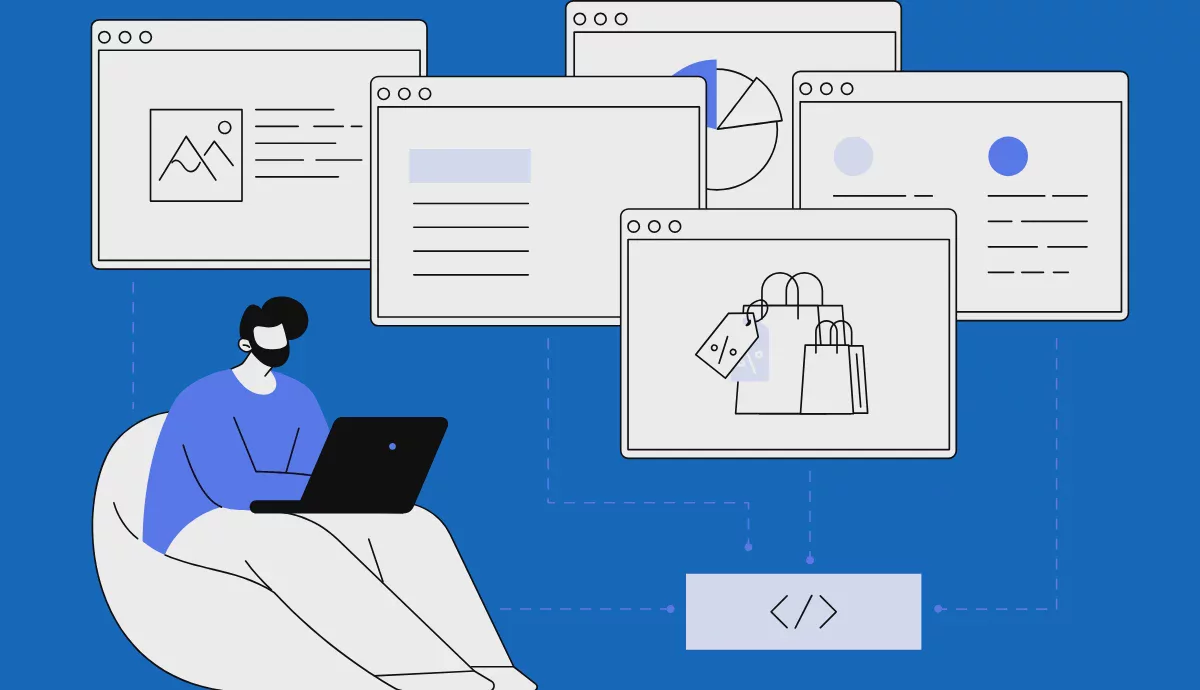
Web scraping is the process of automatically extracting large amounts of data from websites. It involves fetching web pages and extracting specific information from them, then storing that information in a structured format such as a spreadsheet or database.
Web scraping leverages scraping tools or bots to browse web pages, simulating human browsing behavior. These bots can parse HTML content, identify relevant data points, and save the information for further analysis. By automating the data collection process, web scraping significantly reduces the time and effort required compared to manual data entry.
Is Web Scraping Legal?
Although web scraping is a valuable tool, its legality is a complex issue that typically depends on multiple factors:
Terms of Service: Many websites explicitly prohibit web scraping in their terms of service, and violating these terms can lead to legal action.
Public Data vs. Private Data: Scraping publicly available data is generally considered legal, but scraping private data or data that requires payment may trigger legal disputes.
Data Ownership: Scraping user-generated content from social media platforms may infringe on the rights of content creators.
Anti-Circumvention Laws: Laws in certain jurisdictions prohibit bypassing technical measures designed to prevent data extraction, which can render web scraping illegal in some cases.
How Do Web Scraping Tools Work?
Web scraping tools operate through an automated process of extracting data from websites, enabling users to collect information efficiently.
First, the scraping tool receives a URL and loads all the HTML code from those websites. Next, the tool parses the document, identifying specific elements that contain the desired data, such as text, images, or links.
Then, the scraping tool extracts the relevant information. After extraction, this information is typically stored in a structured format such as CSV or JSON for easier subsequent analysis and use. Some advanced scraping tools can also handle dynamic content and pagination, ensuring that all necessary data is captured even from multi-page websites.
Types of Web Scraping Tools
1. Static Scraping Tools
These tools are designed to extract data from static web pages where content does not change unless the page is refreshed. They are generally easier to implement and use basic HTML parsing techniques.
2. Dynamic Scraping Tools
These tools can handle dynamic websites that use JavaScript to load content. They are capable of simulating user interactions and extracting data from elements that are not immediately visible in the HTML source.
3. API Scraping Tools
Some websites provide APIs (Application Programming Interfaces) that allow developers to access data in a structured format. API scraping tools leverage these APIs, making data extraction more efficient and compliant with the website's terms.
4. Headless Browsers
Headless browsers are browsers without a graphical user interface and can be used to automate web scraping tasks. They are able to render JavaScript and interact with web pages just like regular browsers, making them suitable for executing complex scraping tasks.
5. Custom Scrapers
To meet specific requirements, developers can create custom scraping tools tailored to particular websites or data types. These tools can integrate advanced features such as data cleaning and transformation.
What Is Web Scraping Used For?
1. Price Comparison
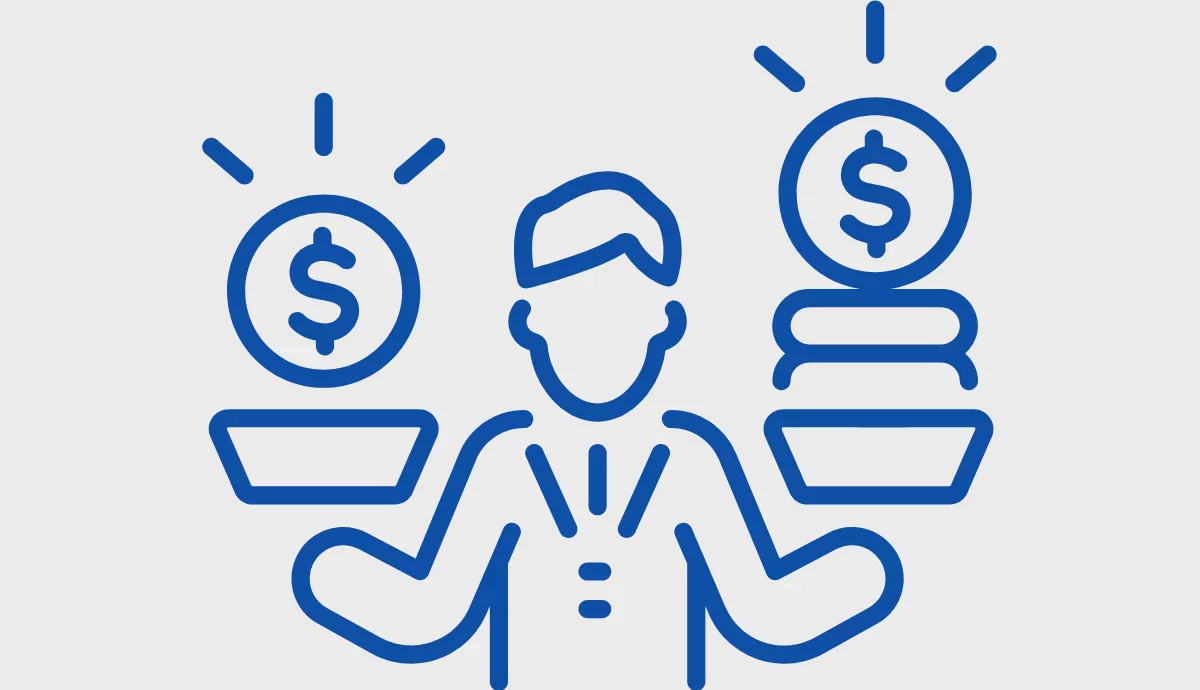
Web scraping enables retailers to continuously monitor competitors' prices, allowing them to adjust their own pricing strategies at any time to stay competitive and launch promotional campaigns in a timely manner based on market conditions.
Consumers can also use web scraping to aggregate prices from various online retailers, thereby finding the best deals. This not only enhances the shopping experience but also drives competition among retailers.
2. Market Research
Companies can scrape data from forums, social media, and comment sections to gather insights into consumer preferences, trends, and feedback. This qualitative data not only helps identify product strengths and weaknesses and guide product improvements, but also assists them in adjusting strategies or developing new products that meet evolving consumer needs.
3. Lead Generation
Sales and marketing teams can scrape contact information from business directories, LinkedIn profiles, and other online platforms. This data can be used to create targeted email marketing campaigns or promotional strategies, increasing the chances of conversion.
4. SEO Monitoring
SEO professionals can monitor keyword rankings for their own websites and competitors' websites by scraping search engine results pages (SERPs). By scraping competitors' websites, they can identify backlinks that can help improve their own search engine rankings, while also helping them understand their market positioning and optimize content accordingly.
5. Academic Research
When faced with large-scale data collection tasks that cannot be solved manually, such as social behavior analysis, economic trends, or environmental monitoring, researchers often turn to web scraping tools to assist with their work.
Scholars can also scrape citation databases to analyze trends in research outcomes, collaborations, and the impact of specific studies, helping to understand scientific progress across various fields.
Summary
For those looking to get started with web scraping or enhance their existing scraping capabilities, there are many tools on the market worth trying. In a previous article, we discussed the top ten free open-source web scraping tools for 2024. These tools can help both beginners and experienced developers make the most of web scraping's powerful capabilities while following best practices.
As web scraping becomes increasingly popular, many websites have also taken measures to detect and block bots to prevent certain scraping tools from accessing their data.P1Browser's bot detection evasion feature has emerged to help address these challenges.
By determining whether the User-Agent appears to be a bot, P1Browser can help web scraping bypass restrictions and maintain access to the desired data.