


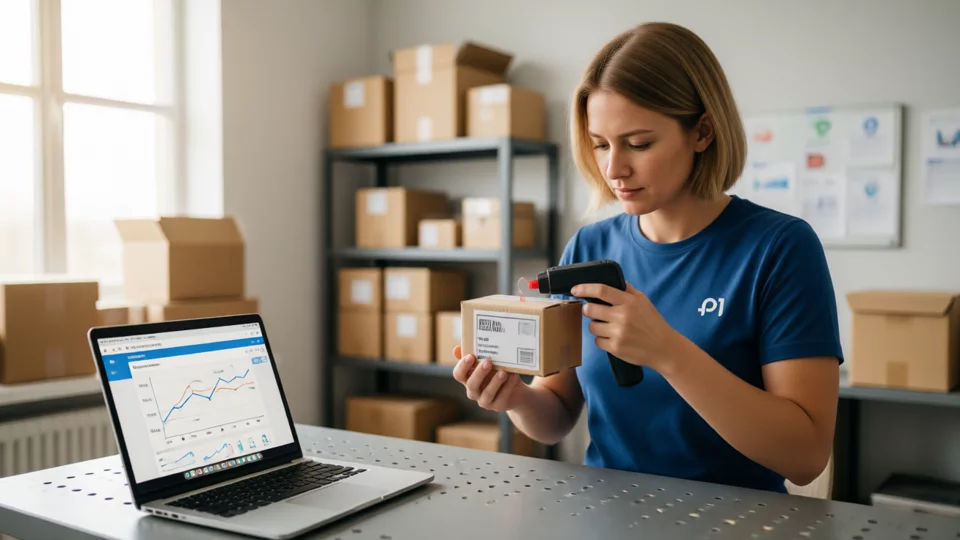
The moment you click "Approve Return" in the Shopee backend, the process has only moved through the first step. Many sellers assume clicking it is the end, only to discover 14 days later that the reverse logistics tracking number hasn't been generated, the platform deduction has already been frozen, and the return parcel is stuck at the destination country's customs broker. "Approve" is just an approval action; what actually eats up time are the five logistics segments, three funding checkpoints, and one risk control red line that follow.
Logistics Segment: The Five Legs the Parcel Actually Traverses After the Buyer Ships It Back
The buyer clicking return doesn't mean you've received the goods. From dispatch to overseas warehouse shelving, there are five handoffs in between, each with different responsibility ownership:
- Destination Country Courier Pickup (1–3 days): The carrier generates the pickup tracking number, which is the "Return Logistics Tracking Number" you see in your backend. If there's still no tracking number after 48 hours, proactively contact the buyer to confirm whether the parcel was actually shipped; don't assume "the buyer will ship it."
- International Trunk Line Transport (7–15 days): Return items reuse the return protocol of the original first-mile channel; the timeline gap between sea and air freight is 7–10 days. When there's no independent tracking number, request the COE last-mile delivery receipt from the freight forwarder as proof of arrival.
- First-mile customs clearance (2–5 days): Returns are processed through the 9610 or 0110 channel; customs releases them based on the original declaration without duplicate taxation. For the 9810 bonded-inventory model, returns are routed back to the bonded warehouse via a different customs declaration chain—confirm the return declaration codes with your customs broker in advance.
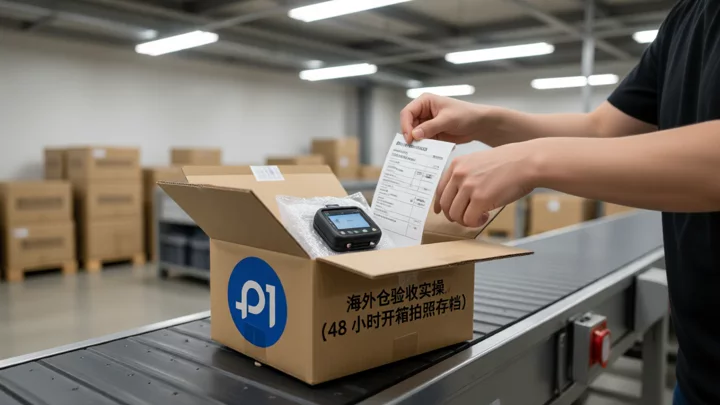
- Overseas warehouse acceptance (1–3 days): Within 48 hours of arrival, open packages, take photos, and verify SKUs and return reasons. Sellable items receive new barcodes and enter inventory; unsellable items are routed to disposal or donation processes. Acceptance records must include timestamps, as they serve as core evidence for subsequent platform appeals.
- Relisting or disposal (1–7 days): Sellable items are relisted after inventory is updated; disposed items are written off at the current-period return cost and booked separately on the financial side.
Funding stage: funds are not frozen the moment you approve a return; disbursement requires clearing three checkpoints
After approval, funds go through four windows—freeze → deduction → FX conversion → credit—rather than being processed instantly. Shopee's settlement cycle is 7 days after order completion; for Amazon, established sellers have a 14-day cycle while new sellers face a 14-day cycle for their first 90 days. Standalone stores depend on the PSP (PayPal: 2–5 business days, Stripe: 1–7 days). Return deductions are not simply the original order amount; platforms apply a layered calculation: product price × return quantity − shipping-responsible-party subsidy − commission refund (Shopee refunds commission; Amazon does not refund FBA storage fees). The FX lock window is set at the moment approval is clicked and does not fluctuate afterward.
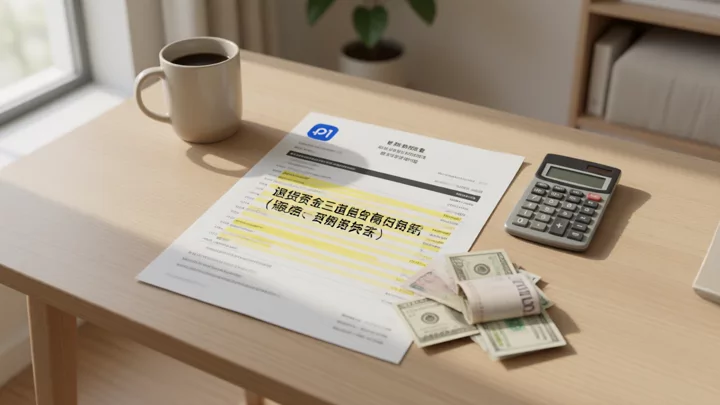
For every return, capture and archive a screenshot of the settlement page within 24 hours of approval and label the "expected credit date" — this is the minimum step to ensure fund traceability. Once a return deduction is processed, your true per-order profit must be recalculated. For the complete seven-tier deduction formula (including last-mile logistics, payment gateway fees, and FX settlement spread), seeFiguring Out Cross-Borce E-Commerce Profit: The Real Formula After Deducting Logistics, Platform Fees, and FX Spread Line by Line. Returned goods entering the country may involve import VAT refunds or supplementary payments, which differ from standard export filing rules. For the specific trigger conditions, seeDoes a Cross-Border E-Commerce Beginner Need to Pay Taxes? VAT, Customs Duties, and Income Tax Rules Explained.
Risk Control Section: At What Threshold Does an Accumulating Return Rate Escalate to a Store Suspension
A broken chain in return handling is not an isolated incident but a common precursor signal to store suspension. In platform performance reviews, the return rate escalates through three-tier thresholds:
- Yellow Flag (return rate >15%): Triggers a performance warning. Within 48 hours, submit a return-reason distribution chart + delivery confirmation records in the seller dashboard as a self-inspection statement; if no corrective action is taken, the account enters the next review cycle under observation.
- Red Flag (return rate >25% or health score <4.0): The account health score is downgraded, with traffic restrictions + new listing uploads frozen. Within the 48-hour appeal window, you must submit buyer communication screenshots, returned-item inspection records, and listing correction notes.
- Ban (no improvement across two consecutive review cycles): The store enters the ban process, and the fund account is frozen for 60–90 days. At this point, prepare materials separately for the three layers—compliance, performance, and association. For the specific 48-hour appeal pathway and layer-by-layer evidence checklist, seeHow to Quickly Recover After Your Shopee Seller Account Is Banned? Store Management Tools and Risk Control Essentials in Cross-Bborder E-Commerce Operations.
Key judgment: When "does not match description" accounts for more than 40% in the Top 3 return reasons, the problem lies in the listing rather than logistics. Correcting the description and main image is more direct than adding shipping insurance.
Same-Day Actionable Return Processing Checklist
Compress the three lines above into a 7-item closed loop that a 1–3 person team can complete in 15 minutes per day. For multi-account operations, it is recommended to complete everything on the same board to avoid omissions:
- Within 2 hours after approval, confirm that the reverse logistics tracking number has been generated; if no tracking number is available, initiate a buyer reminder.
- On Day 3, check with the freight forwarder for COE or destination-country last-mile tracking to confirm the mainline is in transit.
- On Day 7, verify customs clearance status. Flag abnormal shipments individually and contact the customs broker.
- On Day 10, overseas warehouse receiving is complete—take photos for archival (with timestamps).
- On Day 14, verify the return deduction amount and currency on the platform settlement statement, then take a screenshot for archival.
- On the 1st of each month, pull the Top 3 return reasons from the previous month and determine whether a product/listing correction is triggered.
- On the 1st of every month, calculate the current month's return rate against the 15%/25% thresholds. If exceeded, initiate a self-inspection submission within 48 hours. For the operational cadence, refer tothe Multi-Account Management Practical Guidefor the daily synchronization rhythm design.
Frequently Asked Questions
The buyer says they've "shipped it back," but there's no tracking number in the backend after 7 days—who bears the loss?
Per platform rules, once the buyer provides proof of dispatch (courier receipt screenshot), responsibility shifts. If there is no pickup record within 7 days, file a "Return logistics not updated" ticket with platform customer service; the platform will chase the buyer for the item. If it is confirmed the item was never shipped, the return is automatically closed and no funds are frozen. Do not cancel the return yourself before filing the ticket, or you will bear the loss.
Do Amazon FBA returns and self-shipped returns have the same fund settlement timeline?
No. FBA returns are handled by Amazon's fulfillment centers; after the return is completed, a flat deduction is made within the 14-day settlement cycle, and storage fees and preparation fees are non-refundable. Self-shipped returns go through your logistics provider; the platform only starts the deduction window after it receives and inspects the item. The additional non-refundable FBA fees must be itemized separately in your return accounting—do not mix them with self-shipped returns.
Your return rate is at 22% and hasn't triggered the red threshold yet—should you take action early?
Yes. 22% falls in the gray zone between the yellow and red thresholds. Platforms typically only render a final judgment at the end of a full 28-day assessment cycle. Immediately do two things: fix and publish the listing description and main image for the Top 1 return reason, and submit a proactive self-inspection statement in the seller backend to document a clear "corrections already in progress" timeline.
If your standalone store runs on Shopify + PayPal, how long does it take for return funds to hit your bank account?
Once the buyer initiates a return in PayPal, the transaction is frozen. After you confirm receipt of the returned item and click refund, the funds are deducted from your PayPal balance (if insufficient, the shortfall is offset against your next transaction). A PayPal withdrawal to a bank card takes 2–5 business days. From the buyer initiating the return to the amount disappearing from your account, the full chain takes a minimum of 3 days and a maximum of 10 days. For tax boundaries involving VAT refunds, refer toA Detailed Guide to Cross-Border E-Commerce Tax Rules.

