


You just opened that email, and the words "Your product has been taken down" are glaring at you, your finger hovering over the "Submit Appeal" button. Don't rush to write your appeal letter—most sellers submit materials within the first hour of receiving the notice, only to have the system automatically reject them because they used the wrong appeal entry point. Take 10 minutes to run the diagnosis below before you start.
Don't Act on the Notice Yet: 10 Minutes to Determine Which Type of "Takedown" You're Dealing With
What looks like similar "takedown notices" actually falls into three categories, with completely different appeal channels, evidence requirements, and response deadlines. Use these three criteria to categorize your notice:
- Issuing party of the notice: If issued by an IP rights holder (brand owner, patent-holding company), the wording includes "infringement" or "takedown"; if issued by the platform's logistics department, the wording includes "timeout" or "lost parcel"; if issued by the platform's compliance team, the wording includes "violation" or "policy".
- Whether an order number is attached: Infringement complaints point to a specific listing or SKU, logistics penalties are always tied to a specific order number, and compliance reviews may target the entire store.
- Response Timeframe: IP infringement complaints are typically given 48–72 hours, logistics claim windows run 7–30 days, and compliance reviews may be allowed 14 days.
The determination result dictates the next step: if confirmed as an IP complaint, proceed according to the later chapters; if it falls under logistics delays, lost packages, or compliance review, the handling channels and evidence systems are entirely different and outside the scope of this article.
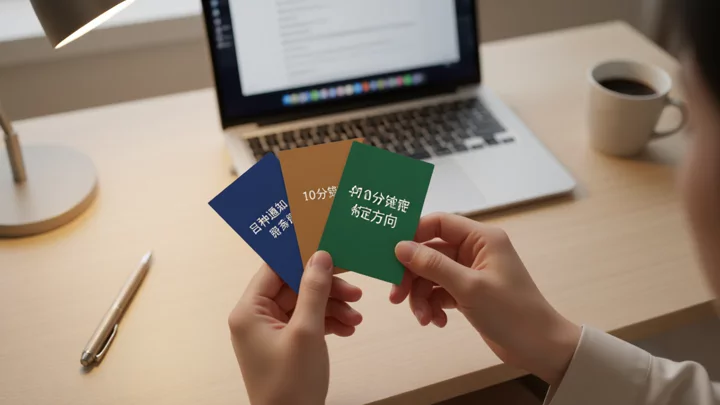
IP Complaints: The Four Layers of Evidence Required Before Filing an Appeal
The platform's review system validates at each level; missing any layer triggers automatic rejection. Prepare in the following order; each level is annotated with its minimum acquisition time:
- Authorization Chain Documents: A complete scanned authorization letter from the brand owner → general distributor → you, with clearly visible seals at each level. If you have not kept one, contact your upstream agent; a supplementary copy is typically available within 24 hours.
- Purchasing or Procurement Records: Supplier invoices or retail purchase records where the amount and SKU match the listing. Bank statements combined with chat logs can serve as alternatives but carry one tier of lower evidentiary weight.
- Original Design Process Records:For in-house designs, prepare source files with verifiable timestamps (PSD/AI creation time) and development communication records. When AI-generated listing copy is reported as "non-original," a screenshot of the prompt plus a revision draft is the only usable evidence.
- Verification of the complainant's entity qualifications:Check whether the trademark registration number and patent number are within their valid periods, and whether the entity name matches the notice. Complaints filed by a mismatched entity are typically withdrawn by the platform within 48 hours on its own—no action is needed on your part.
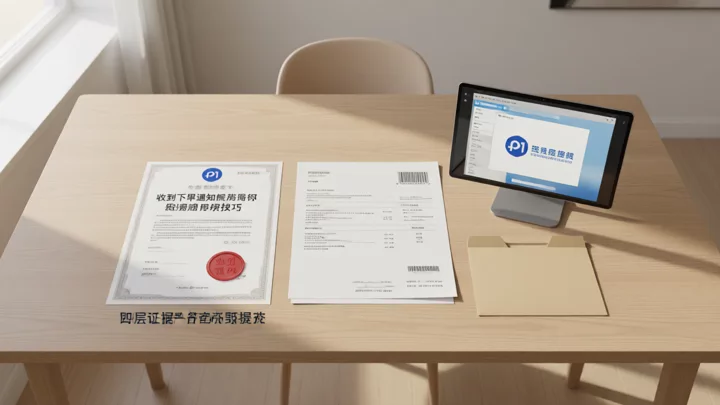
Three-paragraph structure of the appeal letter and submission checkpoints for each platform
The average reviewer reading time is under 90 seconds, so the structure must be scannable at a glance. The first paragraph presents the factual timeline (when the listing went live, when the complaint was received, who the complainant is). The second paragraph lists an indexed evidence reference ("Exhibit 1: Authorization Letter; Exhibit 2: Purchase Invoice"). The third paragraph states the specific request ("Request to restore the listing and remove the complaint record"). Entry points differ by platform: Amazon uses the appeal button on the Performance Notifications page or the IP appeal entry in the Brand Registry backend; Shopee uses the IP2P infringement complaint channel; TikTok Shop submits through the infringement reporting page. First-response turnaround times vary significantly—Amazon typically 48 hours, Shopee 72 hours, TikTok Shop approximately 5 business days. When facing simultaneous complaints across multiple platforms, materials are not interchangeable; you must reorganize them according to each platform's template, reusing the underlying evidence while redoing the layout. Reference:Appeal materials checklist and submission checkpoints after a cross-border e-commerce platform account is suspended, think through the progressive relationship of the four evidence layers before you begin.
The secondary channel and stop-loss assessment after an appeal is rejected
After the first appeal fails, you have a 48–72-hour escalation window. The sequence is: internal platform arbitration (most platforms support one re-review) → third-party IP mediation body (applicable to trademark disputes) → attorney's letter (last resort). Calculate the stop-loss threshold in advance: when the complaint involves your core trademark and the opposing party holds valid registrations in 2 or more countries, the combined cost of switching products, changing titles, and relisting is usually lower than the time spent on a 3-month arbitration process. In5 signals that trigger linked account suspensions in multi-account Amazon operations and troubleshooting stepsIn that context, it also branches by stage with a similar 48-hour decision tree; the logic can be transferred to escalation judgments in infringement appeals.
Frequently Asked Questions
If the same product is reported on multiple platforms at the same time, do you have to file separate appeals?
Yes. Each platform's review system is independent; document formats and evidence numbering systems are not interchangeable. Underlying evidence (authorization letters, purchase receipts) can be reused—you just need to reformat it according to each platform's template. Handle the platform with the shortest response deadline first; Amazon's 48-hour window is typically the tightest.
How should I handle in-transit inventory orders that are frozen during an appeal?
The freeze does not affect the logistics tracking of orders already shipped. For unshipped items, the platform typically allows you to pause shipment without cancelling the order. If no resolution is reached after 14 days of the appeal, proactively contact the platform's customer service to confirm whether orders will be automatically closed, to avoid buyers leaving negative reviews for late delivery.
How do I provide evidence if listing copy generated by an AI tool is reported as "not original"?
Save screenshots of the prompts used during generation, records of multiple draft revisions, and the creation timestamp of the final version. If the complainant cannot point to a specific source that you "copied" and merely makes a general claim of "not original," the platform typically requires the complainant to provide a comparative sample; you only need to submit your creative process records.