



The moment the removal notice arrives, the first thing to confirm is not why the platform is removing you, but how much of your deposit you can actually recover, how many days until it reaches your card, and which path to take if it gets stuck. The guide below follows a "clarify → cross-check → troubleshoot → escalate" flow and assumes a straightforward, uncontested refund; dispute or arbitration scenarios are not covered.
Receiving the Removal Notice: Drawing the Line Between "Refundable" and "Deducted"
Within 10 minutes of receiving the removal email, cross-reference your deposit breakdown and run four screening checks:
- Base Deposit(Paid as a one-time fee at store opening): the full amount is refundable, and no additional deductions are triggered by the removal.
- Unspent Ad Balance: Most platforms zero out or refund via the original payment channel within 30 days; some sites first offset outstanding fines before returning the remainder.
- Unused logistics quota / prepaymentRefunded based on the remaining balance; however, the corresponding quota remains frozen until freight claims on the last batch of in-transit orders are closed.
- Fines, unresolved logistics claims, and inventory liquidation markdownsDeducted by the platform in accordance with its policies. The amounts are itemized in the attachment to the offboarding notice and are non-refundable.
If the notice only states "XX CNY deducted" without an itemized breakdown, immediately request the platform to issue a deduction statement and save a screenshot for your records. Otherwise, any subsequent complaint or arbitration will lack a factual basis.
Refund processing timelines by platform: from submission to actual card credit
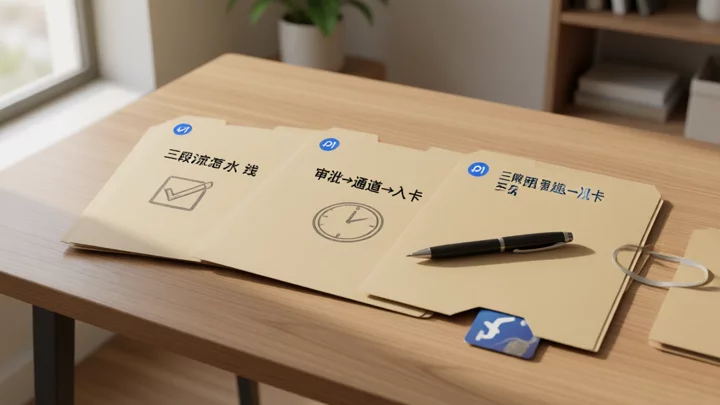
| Platform | Approval stage | Bank / payment channel credit | Total cycle (uncontested) | Common delay triggers |
|---|---|---|---|---|
| Amazon | 5–14 days (including the 14-day cooling-off period) | 3–7 business days | 8–21 days | Filing an appeal during the cooling-off period resets the timer |
| TikTok Shop | 3–7 days | 1–3 days | 4–10 days | Unsettled ad balances require separate reconciliation |
| Shopee | 7–14 days (requires manual initiation by the seller) | 3–5 days | 10–19 days | Failure to initiate within 14 days is deemed a waiver |
| Temu | 5–10 days | 2–5 days | 7–15 days | If the pending logistics order remains unclosed, the full amount will be frozen |
The table above shows typical ranges compiled from publicly available after-sales processes in 2024–2025. Timelines may vary by 2–3 days depending on the site (US / EU / SEA); refer to the actual progress in your account dashboard.
Why pending logistics orders stall refunds: why the resolution cycle for small parcels is roughly twice that of dedicated lines
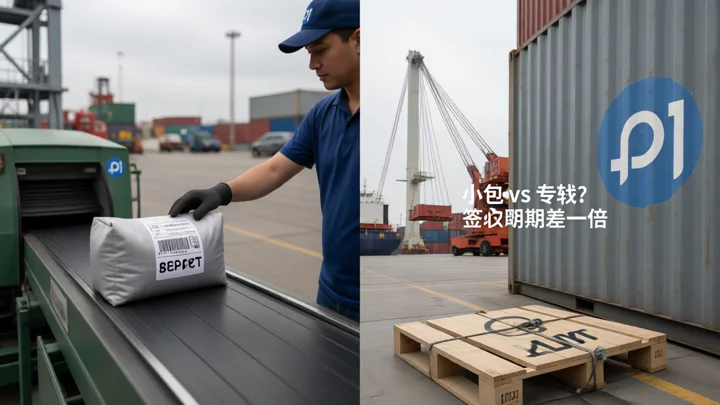
The most common reason a deposit gets "stuck" is not fines—it is that the logistics delivery confirmation for the last batch of in-transit orders has not yet been completed. This section isolates just one aspect directly tied to deposit freezes: the delivery status reporting cycle.
China Post, ePacket, 4PX economy parcels, and similar servicesParcel channels, with last-mile delivery completed by the destination country's postal service or local delivery partners. The delivery confirmation cycle is typically 7–14 days. If the last order ships within 7 days before offboarding, the platform needs at most two additional weeks to close out the remaining orders and release the deposit.
YWT, Yanwen dedicated line, trucking or sea freight containers, and similar servicesDedicated line channels, delivery confirmation must pass through the complete chain of "port arrival → customs clearance → last-mile delivery → status reporting," with a cycle of 20–35 days. When remaining orders are routed through dedicated lines, the deposit freeze extends 15–20 days longer than for parcel channels, and total settlement time can stretch from two weeks to five weeks.
In the 30 days before removal, if you can still control the shipping pace, prioritize shifting in-transit volume to parcel channels. If remaining tail orders can only go through dedicated lines, export the "unclosed order list" in advance, work backward from the delivery confirmation date to determine the latest payment arrival date, and avoid planning expenditures on an optimistic cash-flow cycle.
When multiple stores share the same logistics account (e.g., all routing through the 4PX or YWT backend), tail-order freezes are calculated on a consolidated per-account basis, meaning one store's dedicated-line tail orders can delay the release of other stores' deposits. For guidance on the boundaries of sharing versus isolating logistics accounts in a multi-store setup, refer toBuilding Multiple Shopify Stores from Scratch: Domain, Payments, and Logistics – Share or Separate?.
72-Hour Action Checklist and Escalation Path After Removal
- Day 0 (the day you receive the removal notice):Download and save the deduction details, screenshots of the deposit account, and the tracking numbers and shipping channels for the last batch of orders. Log in to the platform's after-sales channel and confirm the \"Refund Request\" entry — Shopee requires manual initiation, while most other platforms trigger automatically, but you still need to confirm that the status has changed to \"Processing\".
- Day 1–2:Verify each deduction amount item by item; for \"penalty\" items, request the platform to provide the seller policy clause number it is based on. Attach tracking numbers to any unresolved shipping claims and confirm with the platform the estimated closure date for the remaining orders. If multiple stores are delisted at the same time, reconcile each store independently but you may submit a combined ticket; proactively readHow to Prevent Account Association in Cross-Border E-Commerce Multi-Store Operations to avoid associated enforcement actions from expanding the scope of fund freezes.
- From Day 3 onwardsRefresh the "Refund Progress" in the backend every 48 hours. Within the normal cycle (see the table above), no additional action is required; if 5 days beyond the cycle have elapsed with no progress, call the platform merchant hotline and record the ticket number as timestamp evidence for subsequent escalation.
- Not received after 30 days:The escalation path in order is as follows — the platform's official appeal channel (attach ticket number) → 12315 complaint (applicable when the merchant entity is registered within China) → filing a small-claims suit or arbitration at the court where the platform is registered (applicable threshold: single transaction ≥ 5000 CNY or cumulative ≥ 2 wan yuan). If you wish to retain partial operating status after termination and then negotiate the refund schedule, you may evaluate whether to switch from the fully managed model to a semi-managed model:What operating models are available for cross-border e-commerce.
Frequently Asked Questions
Can the security deposit be transferred to other stores still in operation after termination?
Most platforms do not support cross-store transfers; the security deposit can only be refunded via the original route to the bank account or payment method that was linked when the store was opened. If you have other stores under your name and want to move funds between them, you will need to wait for the refund to be credited and then transfer the funds at the bank level yourself — the platform does not offer this feature.
What tax or foreign exchange filings are required after the refund is credited?
A Chinese entity receiving refunds in foreign currency must use a compliant foreign exchange channel for funds to enter the country. Amounts ≤ 5 ten-thousand USD per year can go through the individual convenience quota; amounts exceeding this threshold, or for corporate entities, require bank-level foreign exchange registration. If the advertising balance portion of the refund has already been accrued as an expense in the current year, a journal reversal is required; at the individual income tax level, operating refunds do not generate additional taxable income, but retain the accounting records for audit purposes.
If the platform deducts funds citing "unresolved logistics compensation," how do you provide evidence?
Submit to the platform a certificate issued by the logistics provider stating that "the shipment was delivered and no compensation was incurred" (including the tracking number, delivery timestamp, and last-mile delivery screenshot), along with the "compensation liability" clause from your service agreement with the logistics provider. If the logistics provider refuses to issue the certificate, you may request that the platform reconcile directly with the logistics provider, and note in the ticket: "Requesting platform to verify on my behalf."
What is the legal difference between handling matters within 90 days and after 90 days following a refund refusal?
Within 90 days, the matter falls under the contractually agreed dispute period, so platform-internal appeals and 12315 mediation should be prioritized due to shorter timeframes and lower costs. If no written reason for refusal is provided beyond 90 days, you may invoke Article 58 of the E-Commerce Law to assert that the platform has failed to fulfill its fund-return obligation and proceed to litigation or arbitration. After 90 days, the obligation to preserve evidence becomes more stringent; it is recommended that all previously completed ticket screenshots, call recordings, and email exchanges be fully archived to prevent the other party from raising a statute-of-limitations defense.